Transform Your Space With Professional Tile Floor Installation Services
Transforming a space often begins with selecting ideal flooring materials. Professional tile floor installation services provide accuracy and craftsmanship that can enhance any living space. Expert tile installers contribute expert knowledge to secure both strength and elegance. With various tile options available, homeowners can achieve tailored designs. However, what are the primary advantages of enlisting experts for this work? Investigating the nuances of tile installation uncovers far more than visual appeal alone.
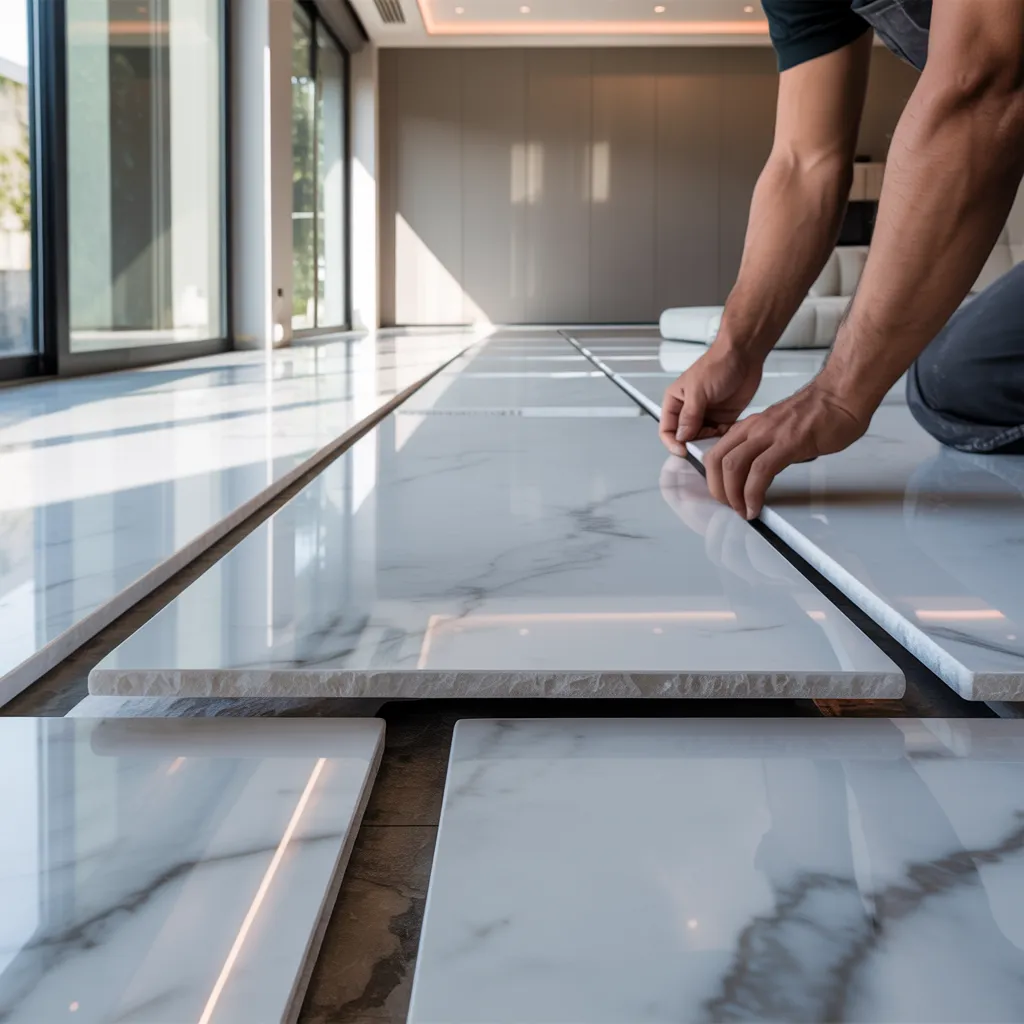
The Reasons to Hire Professionals for Your Tile Installation
Hiring professionals for tile installation guarantees accuracy and excellence that DIY attempts frequently lack. Experts bring years of experience and specialized skills, ensuring that each tile is perfectly aligned and securely placed. Their expertise in various materials and methods enables optimal selections suited to particular settings, improving both visual appeal and long-lasting performance.
In addition to technical knowledge, professionals possess the right tools and equipment needed for a perfect installation. This not only saves time but also minimizes possible damage that can occur with improper installation practices. Furthermore, professional installers are knowledgeable about local regulations and building codes, ensuring both compliance and safety.
Ultimately, working with professionals reduces the stress linked to tile installation, providing reassurance that the job will be completed efficiently and to high standards. Deciding on professional services can produce enduring outcomes that elevate the aesthetic quality of any space.
Tile Flooring Types for Your Installation
When evaluating options for tile flooring, knowing the different types on the market is important for achieving the desired aesthetic and functionality in every space. Ceramic tile options, celebrated for their long-lasting nature and flexibility, come in an array of colors and patterns, making them suitable for both residential and commercial applications. Porcelain tiles, a denser alternative, provide superior moisture protection, making them ideal for bathrooms and kitchens. Tiles made from natural stone, such as granite, marble, and slate, offer an elegant appearance but demand greater upkeep. Vinyl tiles, an affordable alternative, replicate the look of natural materials while remaining straightforward to install and care for. Finally, glass tiles bring a distinctive flair through their light-reflecting properties, commonly applied as accent pieces or in backsplash designs. Each type of tile flooring presents distinct advantages, enabling homeowners to tailor their choices based on personal preferences and practical needs.
Transformative Design Ideas Using Tile Flooring
Tile flooring can significantly improve the aesthetic and functionality of any space, presenting limitless design opportunities. One transformative idea is using oversized tiles to produce an illusion of space, causing smaller spaces to feel more open and airy. Incorporating geometric patterns can add visual interest, directing focus to key areas and establishing a centerpiece. For exterior environments, installing slip-resistant tiles provides security while preserving elegance, enabling smooth transitions between interior and exterior spaces.
Furthermore, a herringbone or chevron pattern can bring in a vibrant movement, guiding the eye through the room. Pairing various shades and textures of tiles can produce one-of-a-kind designs, from rustic to contemporary aesthetics. Feature tiles, strategically placed as borders or inlays, can also elevate the general appearance, making a statement without overwhelming the space. These adaptable selections make tile flooring an ideal choice for modern and fashionable home design.
Key Advantages of Professional Tile Installation
Professional tile installation offers numerous benefits that elevate the overall experience. Through skill and accuracy, installers guarantee a flawless finish, while also preserving homeowners' valuable time and resources. Additionally, the stunning appearance of expertly placed tiles can dramatically elevate the appearance of any room.
Experience And Exactitude
Achieving a flawless tile installation copyrights on the knowledge and exactness delivered by qualified experts. These experts bring years of experience to the table, making certain that every tile is positioned with thorough attention to detail. Their familiarity with different materials and approaches empowers them to identify the optimal choices for each particular project, elevating both the appearance and utility of the space. Professional installers also possess advanced tools and equipment, which lead to a more streamlined and precise installation process. This level of precision minimizes the risk of common issues, such as uneven surfaces or misaligned tiles, resulting in a longer-lasting and more attractive finished result. By relying on skilled professionals, homeowners can benefit from reassurance and exceptional results.
Efficiency In Time And Cost
Choosing professional tile installation optimizes both time and costs for homeowners. Skilled professionals bring effectiveness to the process, minimizing the time required for preparation, laying, and finishing. They carry the right tools and skills to navigate potential challenges swiftly, limiting delays. Furthermore, professional services often provide accurate estimates, avoiding unexpected expenses that can arise from DIY errors. By ensuring that the installation adheres to industry standards, professionals help avoid costly repairs in the future. Moreover, hiring professionals can lead to better resource management, as they know how to source materials effectively, ensuring quality while keeping costs down. In summary, professional tile installation provides not just time savings but also a financially smart solution for homeowners.
Superior Aesthetic Enhancement
When homeowners focus on visual appeal in their living areas, the impact of skilled tile installation becomes evident. Professional tile installers bring expertise that enhances the visual quality of a room, turning standard rooms into stunning environments. The precision in laying tiles guarantees uniformity and alignment, producing a flawless appearance that draws attention. With a wide variety of shades, styles, and surfaces on offer, professionals can help homeowners choose the right tiles that complement their design vision. Furthermore, professionally placed tiles can generate a sense of openness and brightness, making rooms feel more open and inviting. In the end, choosing professional tile installation not only enhances a home's visual appeal but also boosts its overall property value.
Setting Up Your Space for Tile Installation
Preparing a space for installing tiles is crucial to ensure a smooth and successful process. A thorough inspection of the area is the starting point; this includes taking measurements and identifying any pre-existing issues. Homeowners should clear the space of belongings, appliances, and obstructions to facilitate easy access for installers.
Following this, it is necessary to clean the floor with care, clearing away dust and debris to facilitate proper tile adhesion. If the subfloor is uneven or damaged, repairs should be carried out to form a sturdy foundation. Additionally, checking the moisture content of the area can help prevent future issues, as too much moisture can undermine the integrity of the tiles.
Ultimately, discussing specific preferences or requirements with the installation team will further streamline the process. Completing these preliminary steps will ensure a seamless tile installation experience.
What Happens During the Installation Process
During tile installation, homeowners should expect a series of systematic steps that ensure a superior finish. To begin, the installation professionals will assess and prepare the subfloor, verifying it is level, clean, and free of moisture. This essential preliminary work is essential for the longevity of the tile. Next, they will plan the tile arrangement, frequently employing chalk lines to achieve exact positioning.
Once the layout has been finalized, the installation commences with laying the adhesive and positioning the tiles in line with the design. Tile spacers will be placed to ensure uniform gaps for the grout. Once the tiles have been set in place, grout will be applied to fill the gaps between them.
Upon completion, the installation team will clean the surface and check the tiles for potential imperfections. Residents can expect a detailed walkthrough of the completed tile installation, verifying complete satisfaction with the new flooring before completing the project.
Maintaining Your New Tile Floors
Caring for new tile floors is vital for maintaining their beauty and longevity. A consistent cleaning regimen helps prevent dirt and grime buildup, while practical guidelines can protect against unnecessary wear and damage. Following these methods guarantees that tiled surfaces stay in great shape for years to come.
Standard Cleaning Regimen
A consistent cleaning routine is vital for keeping new tile floors looking great and lasting longer. see the details Consistently sweeping or vacuuming removes dirt and debris that could cause surface scratches. For deeper cleaning, using a damp mop with a pH-neutral cleaner is recommended, because abrasive chemicals have the potential to deteriorate the tile or grout. Quickly tending to spills is crucial for avoiding stains, particularly on porous tiles. Furthermore, positioning mats at entry points helps reduce the dirt brought onto the floors. Establishing a weekly cleaning schedule guarantees that tiles remain vibrant and free of buildup. Following this schedule allows homeowners to preserve the visual charm and strength of their tile floors for many years.
Preventing Damage Tips
Safeguarding newly installed tile floors from deterioration requires attention to specific practices that enhance their longevity. Property owners should install felt pads under furniture legs to minimize scratches and refrain from dragging heavy furniture across the surface. Routinely sweeping or vacuuming makes certain debris does not scratch the tiles. Spills should be cleaned promptly with a damp cloth to prevent staining, particularly on grout lines. It is best to use pH-neutral cleaners specifically formulated for tile to protect against damaging the finish. Furthermore, placing mats at entry points can help minimize dirt and moisture exposure. To conclude, maintaining a stable indoor climate guards against extreme temperature fluctuations that could lead to cracks in the tiles. These steps collectively enhance the longevity and appearance of tile flooring.
Common Questions and Answers
How Long Does a Tile Installation Generally Take?
Tile installation typically takes between one and three days, depending on the project's size and complexity. Elements such as surface preparation, tile selection, and grout application may affect the total time required for completion.
What Is the Typical Cost of Professional Tile Installation?
The average cost of professional tile installation commonly sits between $5 and $15 per square foot, depending on factors such as tile type, project complexity, and regional labor rates, significantly affecting the total project budget.
Is Installing Tile Over Existing Flooring an Option?
That's correct, tile may often be installed over an existing floor surface, provided the surface is clean, stable, and level. That said, it's strongly suggested to seek professional advice to guarantee proper installation and avoid potential complications.
Which Types of Grout Are Best for Tile?
When installing tiles, you should consider sanded grout for gaps that are more than 1/8 inch and non-sanded grout for smaller joints. Grout made from epoxy offers superior durability and stain resistance, making it the best option for high-moisture areas.
Are There Warranties Available for Tile Installation Services?
Yes, most tile installation contractors offer warranties. These warranties can range in coverage and duration, typically safeguarding against material or workmanship defects. Clients should ask about the specific details before moving forward with installation.